Wodonga Plumbing: Unveiling the Complexities and Shaping the Future
Introduction
In the realm of infrastructure, few systems are as critical and often overlooked as plumbing—the backbone of modern societies. This article delves into a specific yet profound aspect: Wodonga Plumbing, a specialized field that has evolved to meet the unique challenges of urban and rural environments. Wodonga Plumbing refers to the intricate network of water supply, drainage, and waste management systems that form the foundation of any community’s well-being. This comprehensive exploration aims to shed light on its significance, global reach, and the myriad factors shaping its future. From historical roots to cutting-edge technologies, we will navigate the complex world of Wodonga Plumbing, offering insights for both professionals and curious minds.
Understanding Wodonga Plumbing: Unraveling the Basics
Definition: Wodonga Plumbing encompasses the entire system of pipes, fixtures, and appliances used to distribute potable water, remove wastewater, and manage solid waste within buildings and infrastructure. It includes residential, commercial, and industrial applications, ensuring a constant supply of clean water and efficient disposal of pollutants.
Key Components:
Water Supply: This involves the procurement and distribution of fresh water from various sources like municipal supplies, wells, or natural springs. Pipelines, pumps, and treatment facilities are critical components to ensure a steady flow of water.
Drainage Systems: Effective drainage is vital for preventing water damage and flooding. It includes sewers, pipes, and fixtures designed to carry wastewater away from buildings and into treatment plants.
Wastewater Treatment: The process of treating wastewater before its release back into the environment involves physical, chemical, and biological methods. This ensures that harmful substances are removed, protecting ecosystems and public health.
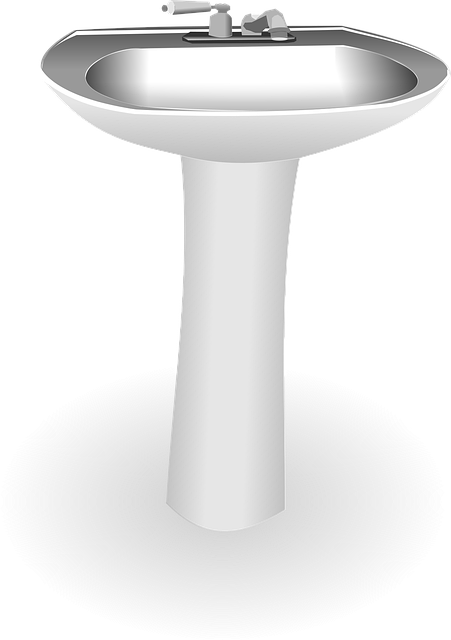
Sanitary Fixtures and Appliances: Toilets, sinks, showers, and water heaters are everyday examples of plumbing fixtures. Modern innovations include low-flow appliances that conserve water and energy.
Historical Perspective:
Plumbing has a rich history dating back thousands of years, with ancient civilizations like the Romans developing sophisticated systems. However, the term ‘Wodonga Plumbing’ emerged in the late 20th century to describe specialized practices tailored to the diverse needs of regions like Wodonga, Australia. This region’s unique geography and climate demanded flexible solutions for water management, leading to innovations that have since influenced global plumbing practices.
Global Impact and Trends: A World-Wide Web of Plumbing
Wodonga Plumbing has transcended borders, leaving its mark on cities and communities worldwide. Several key trends and influences contribute to its global impact:
Urbanization: The rapid growth of cities places immense pressure on plumbing systems. Wodonga’s approach to managing water demand and infrastructure development in dense urban areas has inspired similar strategies in fast-growing metropolitan centers globally.
Sustainability Focus: With increasing environmental consciousness, many regions are adopting sustainable plumbing practices. Wodonga’s emphasis on water conservation and efficient use resonates internationally, driving the adoption of low-flow fixtures and greywater recycling systems.
Climate Change: Changing climatic patterns impact water availability and distribution. Wodonga’s adaptable plumbing systems, designed to cope with varying rainfall and temperature extremes, offer valuable insights for regions facing similar challenges.
Technological Integration: The world is witnessing a digital revolution in plumbing, with smart sensors, automated controls, and remote monitoring. Wodonga Plumbing’s early adoption of technology, such as smart meters and advanced leak detection systems, has set the stage for a globally connected infrastructure network.
Economic Considerations: The Plumbing Market Dynamics
The global plumbing market is a multi-billion-dollar industry, influenced by various economic factors:
Market Segment
Economic Factors
Impact
Residential Plumbing
Growing population, urbanization, and rising disposable incomes drive demand.
Expansion of housing projects and retrofits to meet modern plumbing standards.
Commercial & Industrial
Business growth, new constructions, and facility upgrades fuel the market.
Specialized plumbing systems for offices, hotels, hospitals, and manufacturing plants.
Infrastructure Development
Government initiatives and public-private partnerships fund large-scale plumbing projects.
Urban renewal, water infrastructure upgrades, and the expansion of rural networks.
Technological Advancements
Research and development investments drive innovation.
New products, improved efficiency, and cost savings for consumers and businesses.
Investment Patterns:
Public Investments: Governments play a pivotal role in funding plumbing infrastructure, especially in developing regions. Public-private partnerships often emerge to accelerate project timelines and share risks.
Private Sector Engagement: The private sector drives innovation and market growth through specialized plumbing services, product development, and technology implementation.
Global Market Trends: Emerging economies in Asia and Africa present significant opportunities for plumbing service providers and manufacturers, while mature markets focus on sustainability and digital transformation.
Technological Advancements: Plumbing’s Digital Revolution
The plumbing sector has embraced technological progress, revolutionizing how systems are designed, installed, and managed:
Smart Plumbing: Internet of Things (IoT) devices enable remote monitoring and control of water pressure, temperature, and flow rates. This reduces energy consumption and improves system efficiency.
Digital Twin Technology: Advanced modeling software creates digital replicas of plumbing networks, allowing engineers to simulate and optimize performance before installation.
Robotic Pipe Inspection: Robots equipped with cameras and sensors inspect pipes for corrosion, leaks, and damage, providing accurate data for repair and maintenance planning.
Automated Leak Detection: Intelligent leak detection systems use advanced algorithms to identify water leaks early, minimizing damage and waste.
These technological advancements not only enhance the efficiency and longevity of plumbing systems but also contribute to sustainability goals by reducing water wastage and energy consumption.
Policy and Regulation: Navigating the Legal Landscape
Plumbing services are heavily regulated to ensure safety, health, and environmental standards. Here’s an overview of key policies and regulations:
Building Codes: Local and national building codes dictate plumbing design, installation, and maintenance requirements. These codes vary by region, reflecting local climate, infrastructure, and cultural considerations.
Health and Safety Regulations: Plumbing professionals must adhere to strict health and safety standards to protect workers and consumers. This includes handling hazardous materials, ensuring safe water quality, and maintaining proper ventilation.
Environmental Protection Laws: Regulations govern the disposal of wastewater and solid waste to prevent pollution. Permit systems and treatment plant requirements ensure that plumbing systems contribute to environmental sustainability.
Energy Efficiency Standards: Many regions mandate energy-efficient appliances and fixtures, driving the adoption of low-flow technologies and smart controls.
Challenges and Criticisms: Overcoming Setbacks
Despite its advancements, Wodonga Plumbing faces several challenges and criticisms:
Infrastructure Aging: Many plumbing systems worldwide are aging, requiring significant investment for replacement and modernization to meet modern standards.
Water Scarcity and Pollution: In some regions, water scarcity and pollution pose critical challenges, demanding innovative solutions for efficient use and wastewater treatment.
Inefficient Energy Use: Traditional plumbing fixtures and appliances often consume excessive energy, prompting calls for more energy-efficient alternatives and smart technologies.
Lack of Standardization: Variations in building codes and regulations across regions can lead to inconsistent plumbing practices, creating challenges for contractors and installers who must adapt to local requirements.
Strategies for Improvement:
Public Awareness and Education: Engaging communities through awareness campaigns can foster responsible water usage and conservation.
Government Support and Funding: Increased public investment in infrastructure, particularly in developing regions, is crucial for system upgrades and expansions.
Industry Collaboration: Partnerships between manufacturers, contractors, and researchers can drive innovation and address industry challenges collectively.
Digital Integration: Embracing digital technologies further will enhance system efficiency, reduce costs, and enable predictive maintenance, ensuring sustainable plumbing practices.
Case Studies: Real-World Applications of Wodonga Plumbing
1. Urban Renewal in Sydney, Australia:
Sydney’s downtown area underwent a significant urban renewal project that prioritized efficient and sustainable plumbing systems. The initiative included the installation of smart water meters, advanced leak detection networks, and energy-efficient fixtures. These measures reduced water consumption by 20% within the first year, demonstrating the impact of modern plumbing practices on resource conservation.
2. Rural Water Supply in Africa:
In a remote African village, a community-led project implemented a sustainable water supply system using local resources. This involved drilling wells, installing pumps, and constructing rainwater harvesting systems. The result was improved access to clean water, enhancing health and sanitation and boosting agricultural productivity. This case highlights the adaptability of Wodonga Plumbing principles in diverse global settings.
3. Smart City Infrastructure in Singapore:
Singapore’s ambitious smart city initiative includes a comprehensive plumbing network that leverages IoT sensors and digital controls. The system optimizes water distribution, reduces leakages, and enables real-time monitoring of energy usage. This case study exemplifies how technological integration can transform traditional plumbing into an efficient urban infrastructure component.
Future Prospects: Plumbing’s Evolving Horizon
The future of Wodonga Plumbing is filled with potential growth areas and emerging trends:
Decentralized Water Systems: Microgrid water systems that operate independently from central utilities are gaining traction, especially in rural or off-grid communities. These systems promote local control and resilience.
Wastewater Recycling and Reuse: With increasing water scarcity, the recycling and reuse of wastewater will become more prevalent, reducing the strain on fresh water sources.
Smart Cities and Digital Plumbing: The integration of plumbing into smart city ecosystems will continue to grow, enabling cities to optimize resource allocation and enhance citizen services.
Sustainable Innovations: Bio-based materials, advanced water purification technologies, and innovative pipe coatings that prevent corrosion and reduce maintenance costs are on the horizon.
Remote Monitoring and Maintenance: Telematics and predictive analytics will enable remote monitoring of plumbing systems, allowing for proactive maintenance and reducing unplanned disruptions.
Conclusion: The Ever-Evolving World of Wodonga Plumbing
Wodonga Plumbing is a dynamic field that has evolved to meet the ever-changing demands of communities worldwide. From its historical roots to its global impact and technological advancements, it plays a critical role in shaping sustainable and resilient urban and rural environments. As we look to the future, the industry’s focus on innovation, sustainability, and digital transformation promises to revolutionize plumbing practices, ensuring a secure and healthy water supply for generations to come.
FAQ Section: Answering Common Queries
Q: What sets Wodonga Plumbing apart from traditional plumbing?
A: Wodonga Plumbing is characterized by its specialized approach, focusing on efficient water management in diverse environments. It incorporates advanced technologies, sustainable practices, and innovative solutions tailored to regional needs, setting it apart from conventional plumbing services.
Q: How does climate change impact plumbing systems?
A: Climate change poses challenges due to varying rainfall patterns, temperature extremes, and increased water demand. Wodonga Plumbing adapts by designing flexible systems that can adjust to these changes, ensuring reliable water supply and wastewater management.
Q: What role do digital technologies play in modern plumbing?
A: Digital transformation enhances plumbing efficiency through smart sensors, automated controls, and data analytics. These technologies enable remote monitoring, predictive maintenance, and optimized resource allocation, leading to reduced costs and improved system performance.
Q: How can water conservation be achieved in households?
A: Water conservation starts with simple habits like fixing leaks, installing low-flow fixtures, and using water-efficient appliances. Educating families on responsible water usage and promoting community awareness campaigns can lead to significant collective savings.
Q: What are the key considerations for plumbing infrastructure in developing countries?
A: Developing nations should focus on sustainable and affordable solutions, such as decentralized water systems, rainwater harvesting, and efficient sanitation facilities. Public-private partnerships and government support are vital to ensure access to clean water and proper waste management for all citizens.
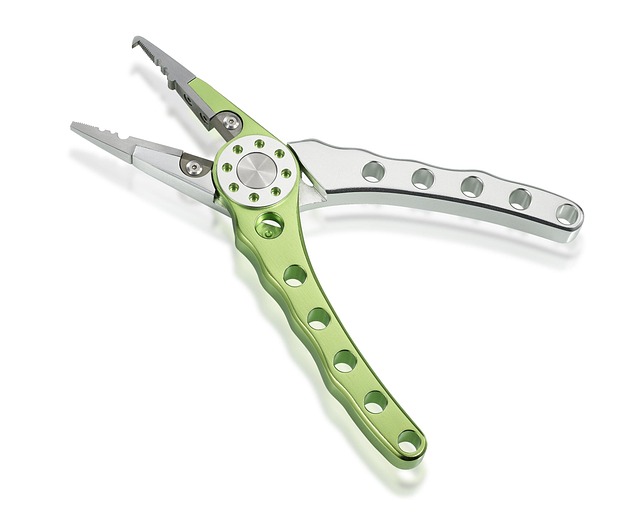
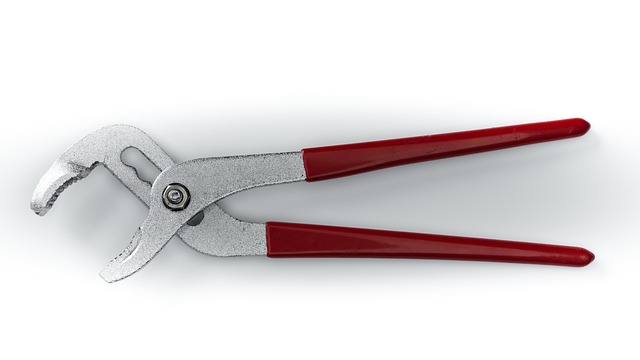
Jones Plumbing Plus Wodonga offers a comprehensive plumbing tool selection for professionals and DIYers, featuring top brands and specialized equipment. Their tools prioritize safety, efficiency, and innovation, with advanced features like digit…….
Wodonga Plumbing Supplies is Wodonga's premier provider of comprehensive gas heating solutions and plumbing supplies. They offer high-efficiency furnaces, boilers, and water heaters from top manufacturers, emphasizing quality, sustainabilit…….
Wodonga Plumbing Supplies offers a diverse range of steel roofing materials for various tastes and budgets. Known for durability, low maintenance, and aesthetic versatility, these roofs cater to local climate conditions and architectural styles……..
Wodonga Plumbing experts, Jones Plumbing Plus, offer eco-friendly solutions with low-flow fixtures, greywater recycling systems, and water-efficient toilets, promoting sustainability, reducing costs, and contributing to a greener Wodonga.”Discov…….
Wodonga Plumbing experts, Jones Plumbing Plus, offer tailored solutions for region's unique drainage challenges. They specialize in climate- and terrain-specific systems, advanced waste management, and efficient storm water runoff to preven…….
Jones Plumbing Plus Wodonga offers a diverse, high-quality plumbing fittings range tailored for local tradespeople, from durable valves to innovative drain solutions. Every product is rigorously tested and designed for longevity and reliability…….
Jones Plumbing Plus Wodonga offers a wide range of kitchen sinks and tapware with modern designs in stainless steel and porcelain, ensuring durability and aesthetic appeal. Their knowledgeable staff guides customers through selection, offering t…….
Jones Plumbing Plus Wodonga provides a wide range of high-quality plumbing tools and supplies for professionals and DIYers, including top brands, innovative solutions, and industry innovations. They offer comprehensive services from basic mainte…….
Jones Plumbing Plus Wodonga offers top-quality water filtration systems and a wide range of plumbing supplies for residential and commercial use in Wodonga. Our expert team provides guidance to ensure you find the best solution, backed by reliab…….
Wodonga Plumbing experts at Jones Plumbing Plus offer top-quality gas hot water heaters, boilers, and furnaces for residential and commercial use. Their professional installation, repair, and servicing ensure optimal performance, safety, energy…….
Jones Plumbing Plus Wodonga provides high-quality plumbing adhesives and sealants from top brands, ensuring durable, reliable, and water-tight systems. Their expert team offers tailored advice and a comprehensive range for diverse needs, setting…….
Wodonga Plumbing professionals rely on welding rods for watertight pipe connections. Jones Plumbing Plus Wodonga offers a curated selection of top-tier rods and accessories from renowned brands, ensuring quality and efficiency for diverse plumbi…….
Jones Plumbing Plus Wodonga offers a wide range of laundry tubs and accessories for various needs, featuring durable stainless steel and energy-efficient plastic models. Their knowledgeable staff assists customers in making informed choices alig…….
Jones Plumbing Plus Wodonga offers comprehensive gas heating solutions and Wodonga plumbing supplies, including high-efficiency heaters and advanced control systems from top brands. Their knowledgeable staff provides expert advice to ensure cust…….
Jones Plumbing Plus Wodonga offers a range of laundry tubs and accessories for diverse needs, blending functionality with modern design. They prioritize convenience, practicality, and sustainability through eco-friendly technologies, custom inst…….
Jones Plumbing Plus Wodonga offers top-quality gas heating components for efficient and safe plumbing systems, catering to residential and commercial needs with brands like thermostats, heat pumps, gas boilers, heaters, regulators, and burners……..
Jones Plumbing Plus Wodonga offers a diverse range of high-quality laundry tubs and accessories for modern homes. Their expert staff guides customers through efficient, durable options, from energy-efficient machines to smart connectivity. Backe…….
Jones Plumbing Plus Wodonga offers a diverse range of brassware and copper fittings for traditional and contemporary styles, enhancing plumbing installations with elegance and durability. Their expert guidance ensures a satisfying experience fro…….
Jones Plumbing Plus Wodonga offers comprehensive irrigation and plumbing services for residential and commercial properties. They provide high-quality sprinkler systems, drip irrigation, timing controls, and water-efficient technologies, ensurin…….
Jones Plumbing Plus offers a curated range of high-quality bathroom accessories that blend style and practicality, from modern fixtures like spa-like showerheads and free-standing bath taps to storage solutions and eco-friendly options. Their ex…….